Custom Royal Countertops and Tile LLC

December 2025

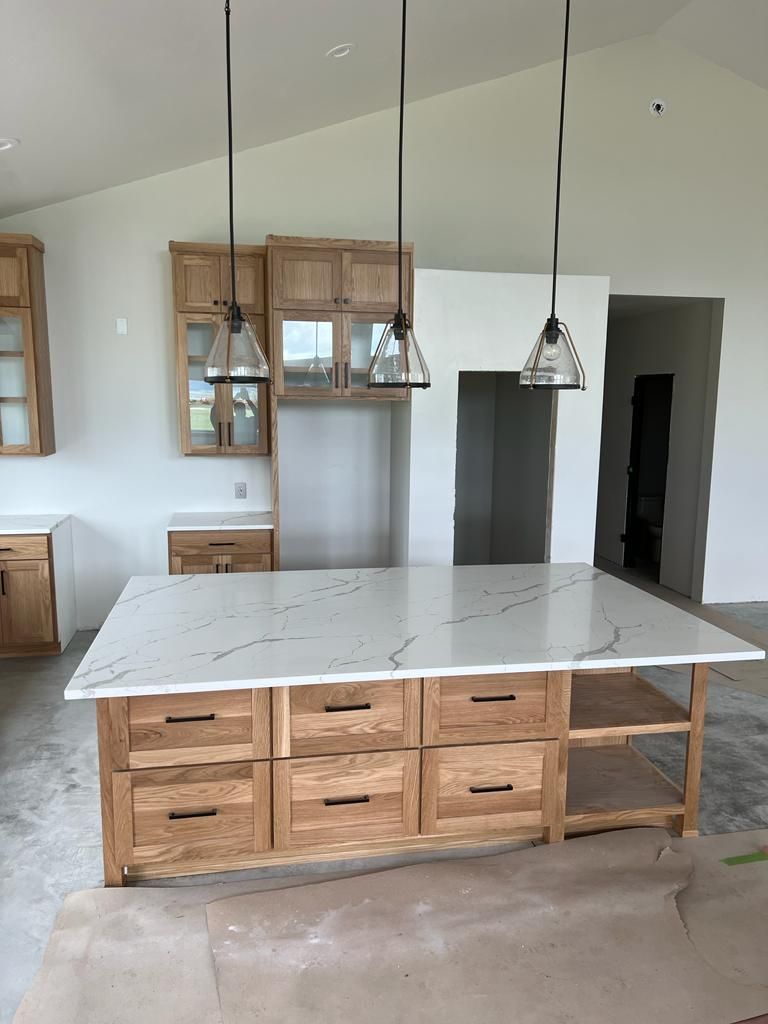
How Countertop Thickness Matters: What Every Homeowner Should Know

When designing or remodeling your kitchen or bathroom, the thickness of your countertops can significantly affect both the aesthetic appeal and functionality of your space. 

Whether you’re considering granite, quartz, or marble countertops, understanding how thickness impacts your choice is key. Here’s what homeowners in Idaho Falls should know about countertop thickness and how it affects your overall design.

Understanding Countertop Thickness Options

The most common thickness options for countertops are typically 2 cm and 3 cm, although custom thicknesses can also be chosen depending on the material. Each thickness has its own set of pros and cons.

  • 2 cm thickness: Often used for quartz and granite when a sleek, modern look is desired. While durable, it may require extra support due to its thinner profile. It’s ideal for minimalist designs where the countertop is not the focal point.
  • 3 cm thickness: The standard thickness for many materials, especially marble and granite. It offers greater strength and is better suited for high‑traffic areas like kitchens. It also provides a more luxurious, traditional feel.

How Thickness Affects Style and Visual Appeal

One of the most important factors when choosing the thickness of your countertop is visual appeal. The thickness can alter the overall aesthetic of your space.

  • Thicker countertops often create a more luxurious, bold appearance, making them ideal for large kitchens or spaces where the countertop is a central feature. The thicker the material, the more substantial and premium it feels, which is why many homeowners in Idaho Falls opt for 3 cm countertops in their kitchens or bathrooms.
  • Thinner countertops, like the 2 cm variety, can provide a sleeker, more modern appearance, perfect for contemporary or minimalist designs. If you’re working with a smaller space or prefer a more subtle, elegant look, thinner countertops can still offer durability and functionality.

How Countertop Thickness Affects Durability

It’s also very important to know how countertop thickness affects countertop durability in your home. Thicker countertops naturally offer more strength and resistance to damage, but thinner countertops can still provide ample durability if installed properly.

  • Thicker countertops (3 cm) are more resistant to chipping and cracking, making them a better option for high‑traffic areas or families with children. They also provide better support when heavy objects, such as large pots or appliances, are placed on them.
  • Thinner countertops (2 cm) can still be durable, especially if the material is quartz or granite, but they may require additional support. In some cases, thinner countertops may need reinforcement with plywood or steel underlayment to prevent damage. It’s important to work with a skilled countertop installer to ensure proper support for thinner surfaces.

Selecting the Right Thickness for Your Needs

Choosing the right thickness for your Idaho Falls ID countertops depends on several factors, including your design preferences, usage needs, and budget.

  • Budget Considerations: While 3 cm countertops are often more expensive, they provide additional durability and a more luxurious feel. 2 cm countertops are typically less costly, which may make them

How Countertop Thickness Matters: What Every Homeowner Should Know Read More »
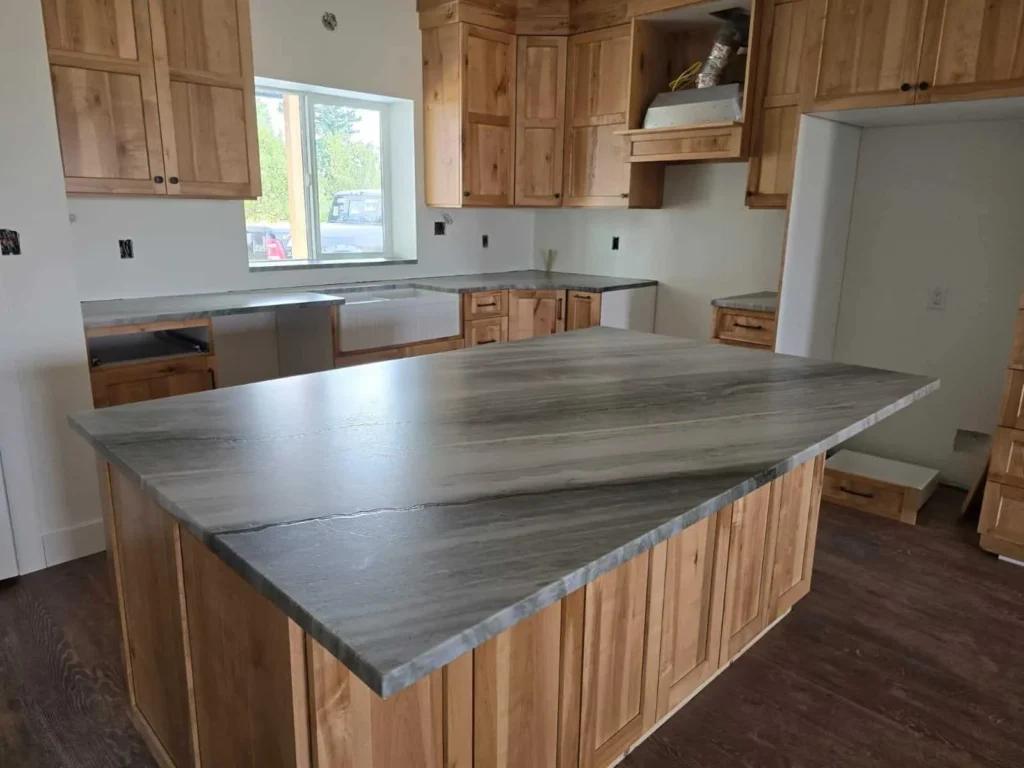
Countertop Maintenance Mistakes Every Homeowner Makes (and How to Avoid Them)

Countertops are a significant investment in your home, and keeping them in top condition requires the right care and maintenance. However, many homeowners make common mistakes that can damage or shorten the lifespan of their countertops. Whether you have granite, quartz, marble, or wood, here are the most common countertop maintenance mistakes Idaho Falls homeowners make—and how to avoid them.

1. Using Harsh Chemicals or Abrasive Cleaners

One common error homeowners often make is using strong chemicals or rough cleaning tools on their countertops. While they may seem effective for cleaning, they can cause long-term damage to the surface.

  • What to Do: Use gentle cleaners that are specifically designed for your countertop material. For example, avoid acidic cleaners like vinegar or lemon on granite countertops, as they can damage the surface and cause etching. Stick to pH-balanced cleaners and soft cloths or sponges to maintain the finish.
  • Tip: If you have quartz countertops, avoid using bleach, as it can break down the resin and cause discoloration over time.

2. Not Sealing Your Countertops Regularly

Sealing is one of the most important steps in maintaining the appearance and longevity of stone countertops like granite and marble. Without a proper sealant, your Idaho Falls ID countertops can absorb stains, liquids, and oils, which can lead to permanent discoloration or damage.

  • What to Do: Seal granite and marble countertops regularly, typically once a year, depending on usage. Quartz countertops generally don’t require sealing, but it’s essential to consult with your countertop installer to be sure.
  • Tip: Test your countertop’s seal by placing a few drops of water on it. If the water beads up, the seal is still good. If it soaks in, it’s time to reseal.

3. Using Your Countertop as a Cutting Surface

Another common mistake is using the countertop as a cutting surface. This can lead to scratches and dullness on your countertop, especially for softer surfaces like marble and wood.

  • What to Do: Always use cutting boards for food prep to protect your countertops. This is especially important for surfaces like wood and marble, which can be easily damaged by knives.
  • Tip: Keep a set of wooden or plastic cutting boards nearby to ensure your countertops stay scratch-free.

4. Ignoring Spills and Stains

Spills happen, but if not cleaned promptly, they can lead to permanent stains, especially on porous materials like marble and wood.

  • What to Do: Clean up spills immediately, particularly acidic liquids like wine, coffee, or citrus juice. Wipe the surface gently to avoid scratching and dry it properly.
  • Tip: For stubborn stains on marble or granite, use a paste made of baking soda and water, then let it sit for several hours before wiping it off.

Conclusion

Maintaining your countertops in Idaho Falls doesn’t have to be difficult — but it does require care. By avoiding these common mistakes, you can keep your countertops looking beautiful and functioning properly for years to come. Whether you have granite, …

Countertop Maintenance Mistakes Every Homeowner Makes (and How to Avoid Them) Read More »

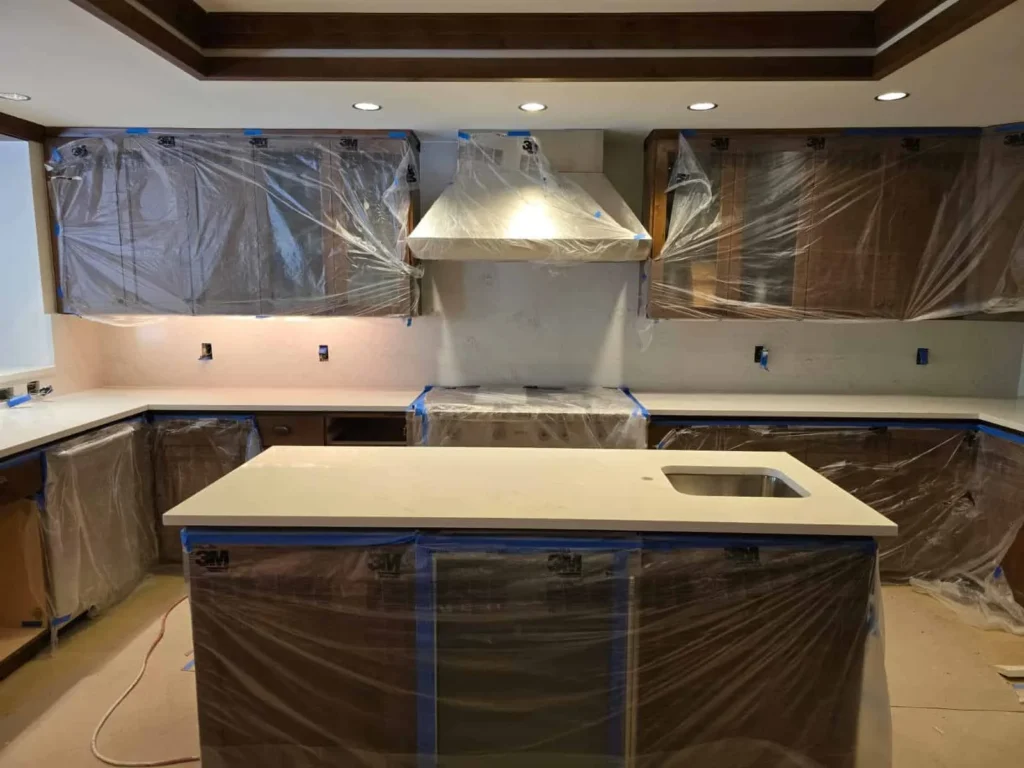
Tips to Plan Your Countertop Layout for Maximum Kitchen Efficiency

When designing a custom kitchen, the countertop layout plays a key role in how efficiently the space functions. An organized, well-thought-out layout can make meal prep easier, reduce clutter, and even improve the overall aesthetic of the kitchen. Whether you’re renovating your current kitchen or building a new one in Idaho Falls, here’s a complete guide on how to plan your countertop layout for maximum kitchen efficiency.

1. Create a Work Triangle for Maximum Flow

One of the best ways to plan a functional countertop layout is by following the work triangle principle. This concept organizes the three main work zones in the kitchen: the sink, the stove, and the refrigerator. Ideally, these three areas should form a triangle, with enough space between them to allow for a smooth workflow without crowding.

  • Sink: This is where you’ll do most of your prep and cleanup, so make sure it’s easily accessible.
  • Stove: Cooking requires quick access to both the sink and refrigerator. The stove should be centrally located between these zones.
  • Refrigerator: Keep the fridge within easy reach of both the stove and sink. This layout reduces the number of steps you need to take while cooking.

2. Optimize Counter Space for Prep, Cooking, and Storage

Having enough countertop space for different tasks is essential. Consider the following zones when planning your layout:

  • Preparation Area: You need ample space to chop vegetables, mix ingredients, and roll dough. This area should ideally be placed near the sink for easy cleanup.
  • Cooking Area: Keep your cooking zone near the stove, with enough counter space on either side for utensils, oils, or spices.
  • Storage Area: If possible, place your storage space, like cabinets or drawers, near your prep area. This way, you’ll have everything you need within arm’s reach, reducing time spent searching for utensils or tools.

3. Think About Countertop Shape and Flow

The shape of your countertop will determine how efficiently the space flows. The layout should encourage easy movement between the different zones, and there are a few shapes to consider:

  • L-Shaped Layout: This is one of the most common and functional layouts, especially for smaller kitchens. It allows for the work triangle to work seamlessly while providing plenty of counter space for food prep.
  • U-Shaped Layout: Ideal for larger kitchens, a U-shaped layout offers generous counter space and more room to spread out during cooking and prep.
  • Island Layout: If you have the space, consider adding a kitchen island. Not only does it provide extra counter space, but it can also double as an area for seating, making your kitchen more social and versatile.

4. Choose Countertop Materials That Suit Your Needs

Once you’ve decided on the layout, choosing the right countertop material is essential for both functionality and style. Here are some options to consider:

  • Quartz: A durable, low-maintenance option that works well for high-traffic areas like the prep zone. It’s resistant to staining and easy to clean, making

Tips to Plan Your Countertop Layout for Maximum Kitchen Efficiency Read More »

CALL NOW for 5% Off!