
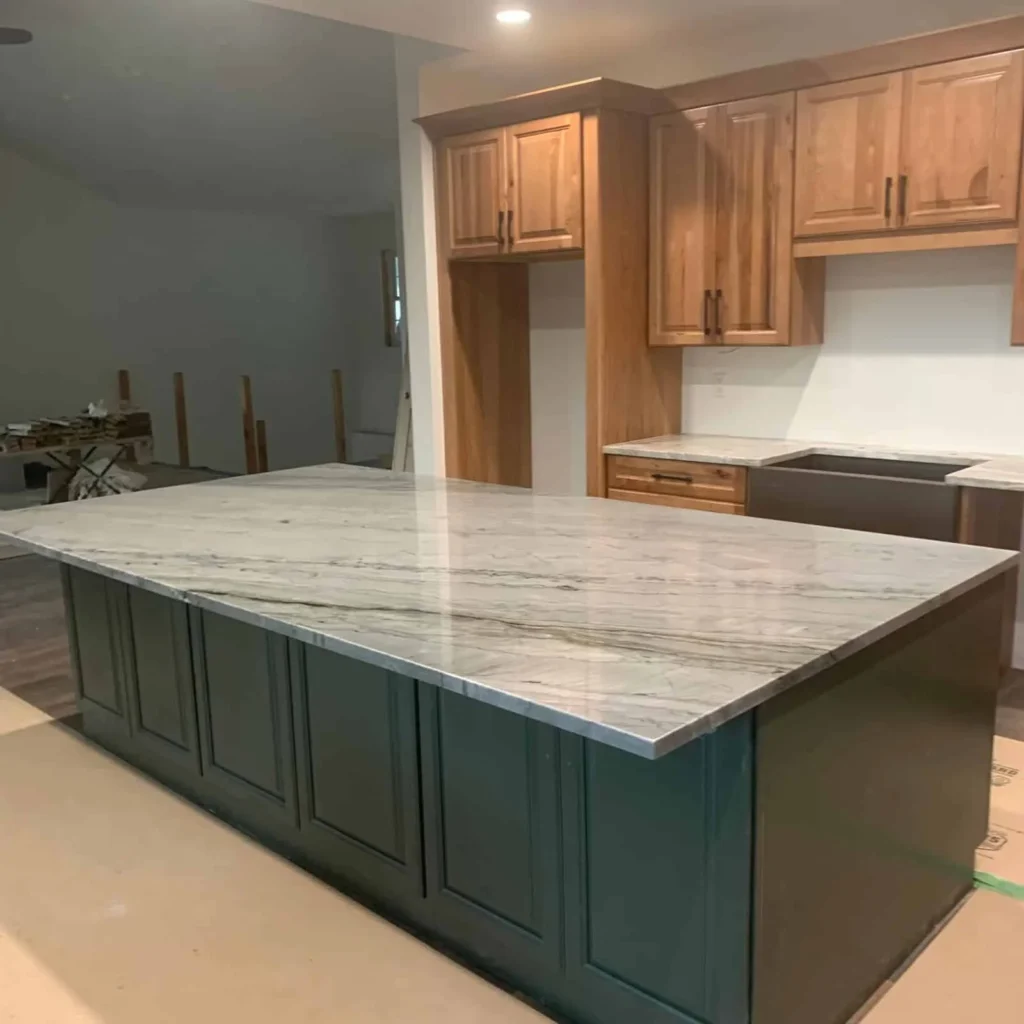
What Homeowners Should Know Before Replacing Old Countertops
Many homeowners wonder when should you replace old countertops, especially when issues appear slowly over time. Small problems like stains or chips may seem harmless, but they often signal deeper wear. Old surfaces can affect cleanliness, safety, and even how comfortable you feel using your kitchen or bathroom. If you’re researching options for your countertops, knowing what to look for can help you plan ahead and avoid rushed or costly decisions.
Visible Damage That Shouldn’t Be Ignored
Some wear is expected, but certain signs clearly point to replacement. These issues usually mean the surface is no longer protecting the space below it.
Common warning signs include:
- Cracks or chips that spread or collect food debris
- Stains or discoloration that don’t come out with cleaning
- Swelling or lifting edges caused by moisture
- Uneven areas that interfere with daily use
When damage reaches this stage, moisture can seep underneath and affect cabinets or walls, leading to bigger problems over time.
How Daily Use Speeds Up Wear
Every household uses its space differently. Busy kitchens handle heat, spills, heavy cookware, and constant movement. Bathrooms deal with moisture, humidity, and frequent cleaning.
Heavy daily use can lead to:
- Faster breakdown of protective finishes
- More visible scratches in high-traffic areas
- Dull or worn spots that never look clean
Understanding how your space is used helps guide smarter decisions and reduces the risk of replacing countertop surfaces too soon.
Situations Where Repair Is No Longer Enough
Some homeowners try to repair old surfaces to save money, but repairs are not always the best solution. Temporary fixes often fail when the underlying material is already worn out or weakened. In these cases, repairs can turn into a cycle of repeated costs and ongoing frustration instead of a true solution.
Repairs may not be enough when:
- Damage keeps coming back after patching, even with proper care
- Moisture has reached the base material, causing swelling or softness
- Multiple problem areas exist across the surface, not just one spot
- The surface no longer meets your daily needs, such as cooking or cleaning
When several of these issues are present, replacement is often the safer and more cost-effective long-term choice.
Material Choices and Long-Term Value
Not all materials age the same way. Some are designed for durability and heavy daily use, while others work better in low-use areas or short-term upgrades. Looking beyond color and style helps homeowners avoid regret later.
Key factors to consider:
- Strength for everyday activities, like cooking and food prep
- Maintenance needs, such as sealing or special cleaning
- Resistance to moisture and stains over time
- Impact on home value, especially if selling is a future goal
Choosing the right option can improve comfort now, reduce future repairs, and make your home more appealing in the long run.
Final Thoughts
If wear, damage, or changing needs are holding your space back, replacing your countertops can be a smart upgrade. We help homeowners understand their options, plan with confidence, and avoid …
What Homeowners Should Know Before Replacing Old Countertops Read More »