Custom Royal Countertops and Tile LLC

March 2026

How Lighting Affects the Appearance of Different Countertop Materials

Lighting can completely transform how a kitchen feels. A surface that appears warm and bright in a showroom may look darker, cooler, or more muted once installed at home. Even subtle changes in lighting can shift tone, depth, and texture. Many homeowners are surprised by how dramatically illumination affects the final appearance.

Before selecting a material, it is important to evaluate how light moves through the room. Natural daylight, ceiling fixtures, pendant lights, and under-cabinet lighting all interact differently with countertop surfaces. These elements influence not only color but also how patterns and veining appear.

Natural Light Creates Variation Throughout the Day

Sunlight changes direction and intensity from morning to evening. As it shifts, it alters how surfaces reflect and absorb light. The same kitchen can look brighter at one hour and softer or deeper in tone at another. For example:

  • East-facing kitchens often feel brighter in the morning
  • West-facing spaces tend to warm up later in the day
  • Large windows can highlight movement within natural stone
  • Limited daylight may make darker tones appear heavier or flatter

Understanding how lighting affects countertop color helps homeowners avoid unexpected changes once installation is complete. Evaluating lighting patterns throughout the day provides a clearer picture of long-term appearance.

Artificial Lighting Changes Tone and Texture

Indoor lighting plays an equally important role. The temperature of a light bulb—whether warm or cool—directly affects how surfaces appear. Warm lighting can enhance earthy tones, while cooler lighting may emphasize gray or blue undertones. Lighting factors that influence appearance include:

  • The color temperature of ceiling fixtures
  • Placement of under-cabinet lighting
  • Shadow lines created by upper cabinets
  • Reflections from walls, flooring, and appliances

Balanced lighting ensures countertops maintain a consistent and attractive look, both during the day and at night.

Surface Finish Influences Reflection

The finish of a material determines how it reacts to light. Polished surfaces reflect more illumination, often making the room feel brighter and more open. Honed or matte finishes absorb light, creating a softer and more subtle effect. Finish affects:

  • The level of shine and potential glare
  • How visible natural patterns appear
  • How surrounding colors reflect onto the surface
  • The overall brightness of the kitchen

These details may seem minor, but they can dramatically influence the final impression of the space.

Viewing Samples in Your Own Space Matters

Showroom lighting is carefully designed to highlight materials. Residential kitchens have different light sources, shadows, and reflections. Viewing samples in your own home gives a more accurate representation of how surfaces will perform.

Homeowners exploring Idaho Falls ID countertops often benefit from testing materials directly in their space. Observing a sample at different times of day under both natural and artificial light provides clarity and confidence before making a final selection.

Final Thoughts

Lighting shapes how your kitchen feels. A well-chosen surface should look beautiful in the morning, afternoon, and evening. At Custom Royal Countertops & Tile, we help homeowners evaluate materials under real lighting conditions so there are no surprises after installation.

Ready to choose surfaces

How Lighting Affects the Appearance of Different Countertop Materials Read More »
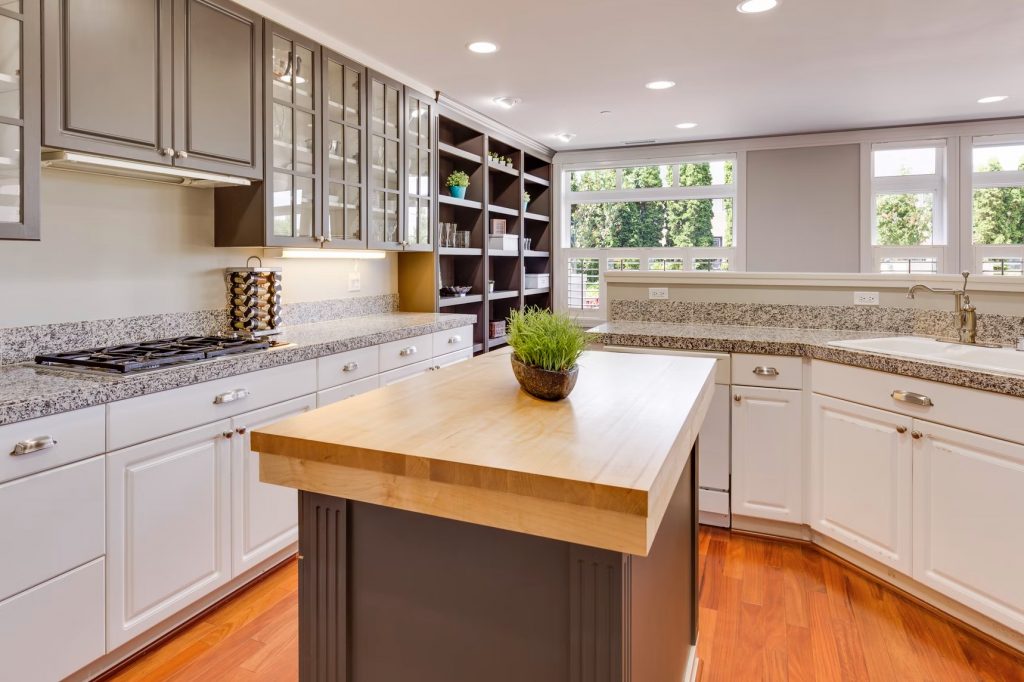
Why Countertop Installation Quality Matters More Than Material Choice

Many homeowners invest significant time selecting the right surface. They compare patterns, textures, and finishes, trying to find the perfect look. Yet one of the most important factors in long-term performance is often overlooked: installation quality.

Even premium materials can fail if they are not measured, supported, and secured correctly. Careful preparation and structural planning determine whether a surface performs reliably for decades or begins showing problems far too soon. Material selection influences appearance, but workmanship determines durability.

Small Errors Can Lead to Big Problems

Installing a surface involves far more than placing it on cabinetry. It requires precise measurement, accurate cutting, and thoughtful structural reinforcement. Minor miscalculations during installation can create stress points that weaken the entire structure over time. Common consequences of improper countertop installation may include:

  • Slightly uneven surfaces that create internal tension
  • Weak seams that loosen as the home settles
  • Insufficient support beneath longer spans
  • Edge chipping caused by rushed finishing

These problems rarely appear immediately. Instead, they develop gradually, often months or even years later, when repairs become more complicated.

Support Beneath the Surface Is Critical

The strength of any kitchen surface depends on what lies underneath it. Cabinets must be stable, level, and properly anchored before installation begins. If the foundation shifts, the surface above it absorbs that stress. Strong structural preparation involves:

  • Confirming cabinet bases are perfectly level
  • Reinforcing heavy or high-use sections
  • Ensuring adequate spacing between support points
  • Securing surfaces firmly during final placement

When homeowners ask why countertop installation matters, the answer often centers on structural stability. Without proper support and alignment, even durable countertops can experience cracking, shifting, or seam separation over time.

Seams and Transitions Require Precision

Most kitchens require at least one seam. When properly placed and finished, seams blend naturally into the design. When handled poorly, they become both a visual distraction and a structural weakness. Quality installation focuses on:

  • Strategic seam placement in low-stress areas
  • Smooth alignment for an even surface plane
  • Consistent edge detailing across transitions
  • Secure bonding that withstands daily movement

Attention to these details protects not only appearance but long-term structural performance.

Experience Makes the Difference

Installation is a specialized skill developed through hands-on experience. Understanding how materials respond to weight, temperature shifts, and daily wear allows professionals to anticipate challenges before they arise.

Homeowners searching for Idaho Falls ID countertops often discover that experience plays a major role in long-term satisfaction. Skilled installation ensures surfaces remain stable, secure, and visually seamless for years to come.

Final Thoughts

Choosing a beautiful material is only part of the process. Long-term performance depends on how carefully that material is measured, supported, and secured. At Custom Royal Countertops & Tile, we focus on precision from start to finish. We believe proper installation protects your investment and ensures lasting results.

For dependable craftsmanship and expert installation, get in touch with Custom Royal Countertops & Tile at (208) 313-8385 today and experience the difference quality makes.

Why Countertop Installation Quality Matters More Than Material Choice Read More »

Signs Your Kitchen Layout Is Being Held Back by Outdated Countertops

Sometimes a kitchen feels “off,” even when nothing appears broken. Cabinets may still be sturdy. Appliances may still function properly. Yet the space feels cramped, outdated, or harder to use than it should. In many cases, the issue is not the entire kitchen — it’s the surface layout.

Countertops influence spacing, workflow, and even how natural and artificial light move across the room. When they are outdated, poorly sized, or improperly configured, they quietly limit the efficiency and visual appeal of the entire space.

Limited Prep Space Is Slowing You Down

One of the clearest warning signs is a shortage of usable prep area. If you constantly shift cutting boards or move small appliances just to make room, the layout may be restricting your routine. You might notice:

  • No clear space beside the sink for washing and prep
  • Very little room next to the stove for cooking tasks
  • Appliances crowding key work areas
  • Small, broken-up sections instead of continuous surface

Over time, these daily inconveniences make cooking feel stressful instead of smooth. Many homeowners begin wondering, when should you replace kitchen countertops, when simple tasks require extra effort.

Visual Breaks Disrupt the Flow

Older surface designs often include unnecessary seams, uneven transitions, or corner add-ons that interrupt continuity. While these details may seem minor, they can affect how the entire kitchen feels. Instead of one unified surface, you may see:

  • Sections that end abruptly
  • Slight height differences between areas
  • Additions that appear disconnected from the main layout

These breaks create visual clutter. When surfaces lack consistency, the room feels pieced together rather than thoughtfully designed.

Outdated Depth or Overhang

Design standards change over time. Many older kitchens were built with minimal surface depth, especially around islands or seating areas. Insufficient overhang can make stools uncomfortable and reduce legroom.

Common limitations include shallow surfaces or limited extension over cabinetry. This reduces flexibility for entertaining and limits how comfortably guests can gather.

In our experience working with Rigby ID countertops, adjusting depth and overhang often improves both comfort and functionality without requiring a full renovation.

The Layout Feels Smaller Than It Should

Surface design can influence how large or small a kitchen appears. Dark tones, thick edges, or bulky transitions may absorb light instead of reflecting it. This can make the room feel enclosed, even if square footage has not changed. Design factors that contribute to this include:

  • Oversized edge profiles that dominate the space
  • Finishes that reduce light reflection
  • Surface colors that compete with cabinets
  • Island placement that interrupts natural movement

Updating countertops can brighten the room, improve flow, and create a more open feel—all without removing walls or altering the footprint.

Conclusion

A kitchen should support your daily routine, not slow it down. If your space feels crowded, disconnected, or harder to use than it should be, the surface layout may be the missing piece. Updating countertops is often one of the most effective ways to refresh movement, improve comfort, and modernize the entire room—without tearing everything out.…

Signs Your Kitchen Layout Is Being Held Back by Outdated Countertops Read More »

What Impacts the Lifespan of Kitchen Countertops?

Kitchen surfaces are used every single day. They handle heat from cooking, spills from food prep, heavy cookware, and frequent cleaning. Over time, that constant use affects both appearance and structure. Some kitchens look just as strong after many years, while others begin to show chips, stains, or cracks much sooner.

Understanding what impacts durability allows homeowners to make smarter, long-term decisions. Lifespan is never based on material alone. Installation quality, maintenance habits, and structural support all work together to determine countertop performance.

Material Quality and Thickness

The type and grade of material play a major role in how well a surface performs. Higher-quality products are engineered to resist impact, moisture, and surface damage. Thickness also affects strength and stability over time. Key material factors include:

  • Overall thickness and density
  • Resistance to heat and moisture
  • Surface hardness against scratches
  • Structural strength beneath the finish

Many homeowners ask, how long do kitchen countertops last, but the answer depends greatly on the quality selected. Based on our experience, we guide clients toward materials that offer both visual appeal and reliable durability.

Installation Precision

Material quality means very little without proper installation. The way a surface is measured, supported, and secured determines how it will perform over time. Even minor alignment issues can create stress points that lead to cracking or separation years later. Professional installation focuses on details such as:

  • Verifying that base cabinets are completely stable and level
  • Reinforcing areas where the surface spans wider distances
  • Positioning seams strategically for strength and appearance
  • Shaping and polishing edges for durability and clean transitions

When surfaces are installed with accuracy, they remain stable and secure under daily use. Careful workmanship during this stage helps prevent movement, reduces long-term wear, and ensures Rigby ID countertops perform as intended for years to come.

Daily Use and Maintenance Habits

Everyday habits directly impact longevity. Heat exposure, moisture buildup, and cleaning methods can either preserve or damage the surface over time. Simple adjustments in routine can extend lifespan significantly. Usage habits that influence durability include:

  • Using trivets instead of placing hot pans directly on surfaces
  • Wiping up standing water promptly
  • Choosing non-abrasive cleaning products
  • Following recommended sealing schedules when required

With consistent care, countertops retain both strength and appearance far longer than neglected surfaces.

Environmental and Structural Factors

Kitchen surfaces are constantly affected by their surroundings. In areas with cold winters and warm summers, seasonal temperature changes can cause materials to expand and contract slightly. While this movement is normal, it must be accounted for during planning and installation.

Cabinetry beneath the surface can also shift over time as a home settles. Even subtle structural movement can place stress on seams and edges if proper support was not provided from the start. Wide spans need adequate reinforcement underneath to prevent sagging, and weight should be distributed evenly across high-use areas to reduce pressure points.

When these environmental and structural factors are considered early, surfaces remain stable and consistent for years. Proper planning helps prevent long-term stress and …

What Impacts the Lifespan of Kitchen Countertops? Read More »

Planning Countertops Around Cabinets and Appliances for Better Flow

A kitchen should feel open and natural to move through. When cabinets, appliances, and surfaces are planned together from the beginning, the space works better every single day. Poor coordination can make even a large kitchen feel crowded or difficult to navigate.

Many homeowners focus only on color when selecting new surfaces. But true performance comes from thoughtful planning. Layout, spacing, height, and alignment all influence how comfortable and efficient the kitchen feels. When every element works together, the room feels intentional rather than assembled piece by piece.

Aligning Countertops With Cabinet Layout

Cabinets form the structural foundation of the kitchen. Because they determine height, depth, and overall configuration, the surfaces installed above them must align precisely. Even small miscalculations can disrupt the visual balance of the entire room. Good planning often involves:

  • Matching surface depth exactly to cabinet dimensions
  • Allowing proper overhang for seating and comfort
  • Coordinating edge profiles with cabinet style and finish
  • Maintaining consistent height across all sections

Understanding how to match countertops with cabinets and appliances helps prevent uneven lines, awkward seams, or design mismatches. In our experience with Rigby ID countertops, careful alignment creates a kitchen that feels seamless and professionally designed.

Planning Around Appliance Placement

Appliances define how the kitchen is used. Their size, placement, and door swing all impact surface layout. Without proper spacing, prep areas can feel cramped or inefficient. Here are some important considerations:

  • Leaving adequate prep space beside the range
  • Providing landing space near the refrigerator
  • Ensuring proper clearance for appliance doors
  • Avoiding tight corners that restrict daily movement

Proper planning ensures surfaces support cooking habits rather than interrupt them. When countertops are positioned thoughtfully around appliances, the kitchen becomes more practical and easier to use.

Creating Efficient Work Zones

A well-designed kitchen is organized into purposeful zones. Preparation, cooking, and cleaning should flow naturally from one area to another. When surfaces are broken up or poorly placed, daily tasks take longer and feel less convenient. Strong layout planning focuses on:

  • Clear movement between sink, stove, and refrigerator
  • Continuous surface space for meal preparation
  • Avoiding unnecessary breaks in key work areas
  • Selecting durable materials for high-traffic zones

Well-positioned countertops improve efficiency and reduce strain during busy routines. Small adjustments in layout can make a noticeable difference in everyday comfort.

Balancing Style With Function

Visual appeal still matters. Surface color, thickness, and edge style influence the overall character of the kitchen. However, design choices should support usability rather than compromise it. Smart design decisions may involve:

  • Choosing finishes that complement cabinet tones
  • Selecting thickness that feels proportionate to the room
  • Coordinating backsplash and transition details
  • Considering long-term performance and maintenance

When you work with us, we focus on achieving both form and function. Our experience with countertops allows us to guide homeowners toward choices that look beautiful while performing reliably for years.

Final Thoughts 

A well-planned kitchen begins with thoughtful coordination between cabinets, appliances, and surfaces. Small layout decisions can make a significant difference in how your space feels and …

Planning Countertops Around Cabinets and Appliances for Better Flow Read More »

CALL NOW for 5% Off!