
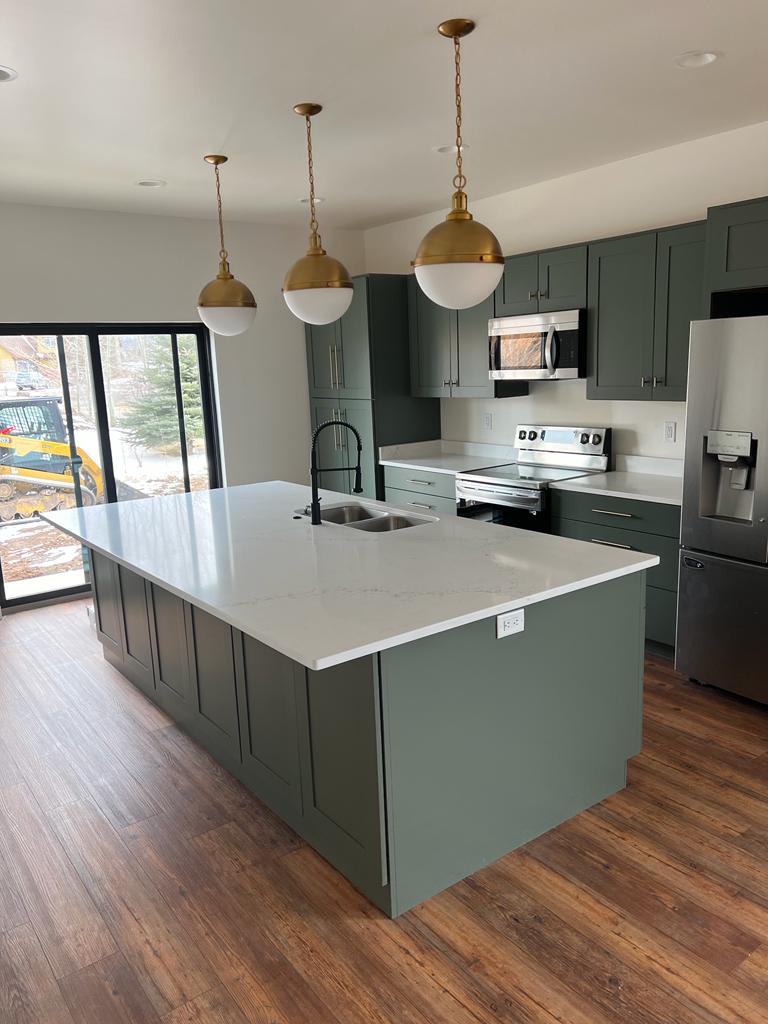
What Impacts the Lifespan of Kitchen Countertops?
Kitchen surfaces are used every single day. They handle heat from cooking, spills from food prep, heavy cookware, and frequent cleaning. Over time, that constant use affects both appearance and structure. Some kitchens look just as strong after many years, while others begin to show chips, stains, or cracks much sooner.
Understanding what impacts durability allows homeowners to make smarter, long-term decisions. Lifespan is never based on material alone. Installation quality, maintenance habits, and structural support all work together to determine countertop performance.
Material Quality and Thickness
The type and grade of material play a major role in how well a surface performs. Higher-quality products are engineered to resist impact, moisture, and surface damage. Thickness also affects strength and stability over time. Key material factors include:
- Overall thickness and density
- Resistance to heat and moisture
- Surface hardness against scratches
- Structural strength beneath the finish
Many homeowners ask, how long do kitchen countertops last, but the answer depends greatly on the quality selected. Based on our experience, we guide clients toward materials that offer both visual appeal and reliable durability.
Installation Precision
Material quality means very little without proper installation. The way a surface is measured, supported, and secured determines how it will perform over time. Even minor alignment issues can create stress points that lead to cracking or separation years later. Professional installation focuses on details such as:
- Verifying that base cabinets are completely stable and level
- Reinforcing areas where the surface spans wider distances
- Positioning seams strategically for strength and appearance
- Shaping and polishing edges for durability and clean transitions
When surfaces are installed with accuracy, they remain stable and secure under daily use. Careful workmanship during this stage helps prevent movement, reduces long-term wear, and ensures Rigby ID countertops perform as intended for years to come.
Daily Use and Maintenance Habits
Everyday habits directly impact longevity. Heat exposure, moisture buildup, and cleaning methods can either preserve or damage the surface over time. Simple adjustments in routine can extend lifespan significantly. Usage habits that influence durability include:
- Using trivets instead of placing hot pans directly on surfaces
- Wiping up standing water promptly
- Choosing non-abrasive cleaning products
- Following recommended sealing schedules when required
With consistent care, countertops retain both strength and appearance far longer than neglected surfaces.
Environmental and Structural Factors
Kitchen surfaces are constantly affected by their surroundings. In areas with cold winters and warm summers, seasonal temperature changes can cause materials to expand and contract slightly. While this movement is normal, it must be accounted for during planning and installation.
Cabinetry beneath the surface can also shift over time as a home settles. Even subtle structural movement can place stress on seams and edges if proper support was not provided from the start. Wide spans need adequate reinforcement underneath to prevent sagging, and weight should be distributed evenly across high-use areas to reduce pressure points.
When these environmental and structural factors are considered early, surfaces remain stable and consistent for years. Proper planning helps prevent long-term stress and …
What Impacts the Lifespan of Kitchen Countertops? Read More »